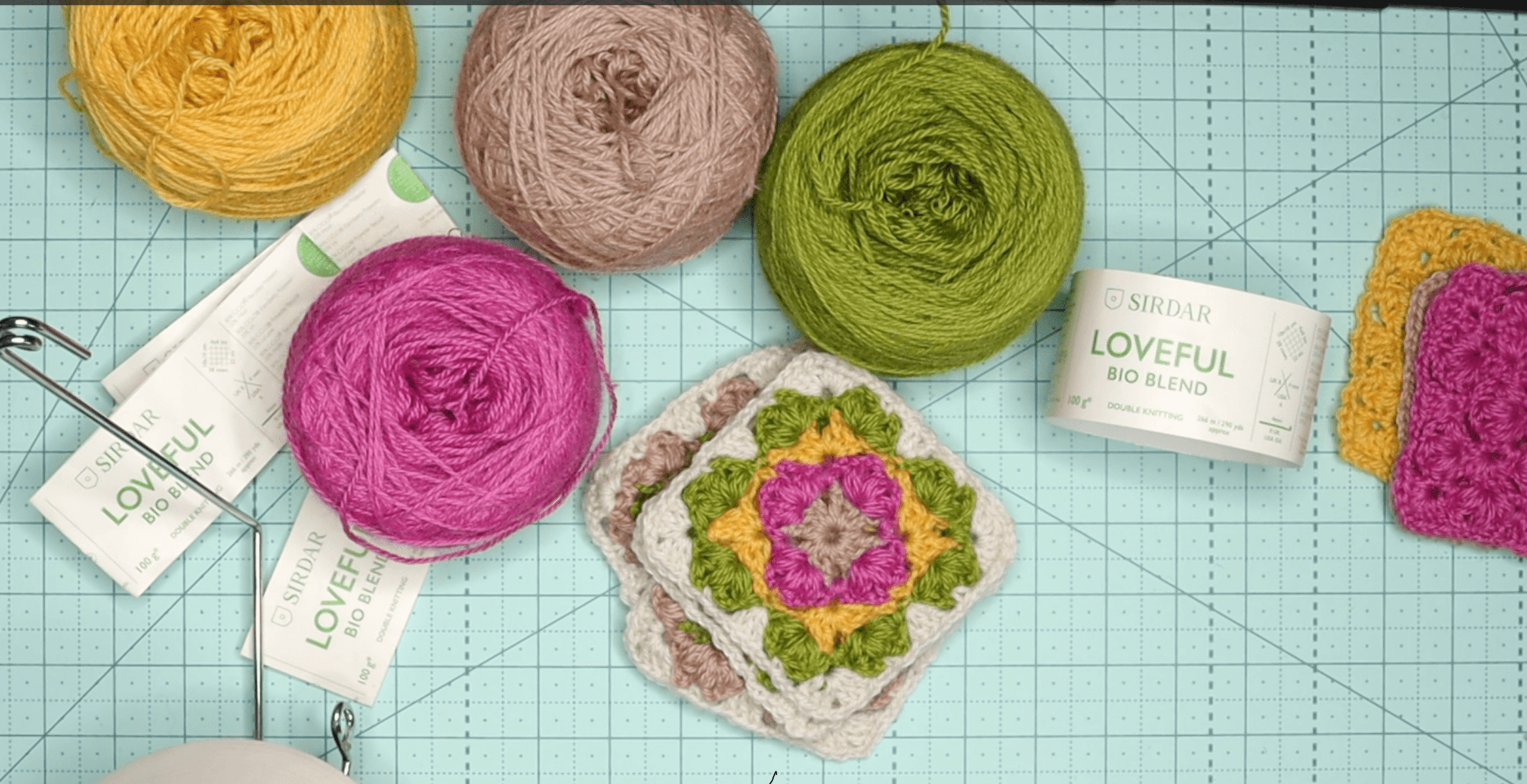
Why you should rewind your yarn before using it (and how to do it properly)
Rewinding your yarn before you start a project can prevent tangles, improve tension, and make your crochet or knitting smoother. Learn why it matters and how to do it step by step.
This post may contain ads and affiliate links, which help support Crafting with Beth at no extra cost to you. I only recommend tools and materials I genuinely use or believe will be helpful for your crafting. For more information, please see our Privacy Policy, Cookie Policy, and Affiliate Disclosure. Thank you.
Why rewinding your yarn matters
Before we begin a new project, there is often a quiet moment — the yarn is still in its original form, untouched, waiting to become something meaningful.
Many makers go straight in and start stitching from the skein or ball. While this works, rewinding your yarn first can make a noticeable difference in how smoothly your project progresses.
Rewinding is not just a preparation step. It is a way to bring order to your materials, reduce interruptions, and set yourself up for a more enjoyable making experience.
What happens if you don’t rewind your yarn
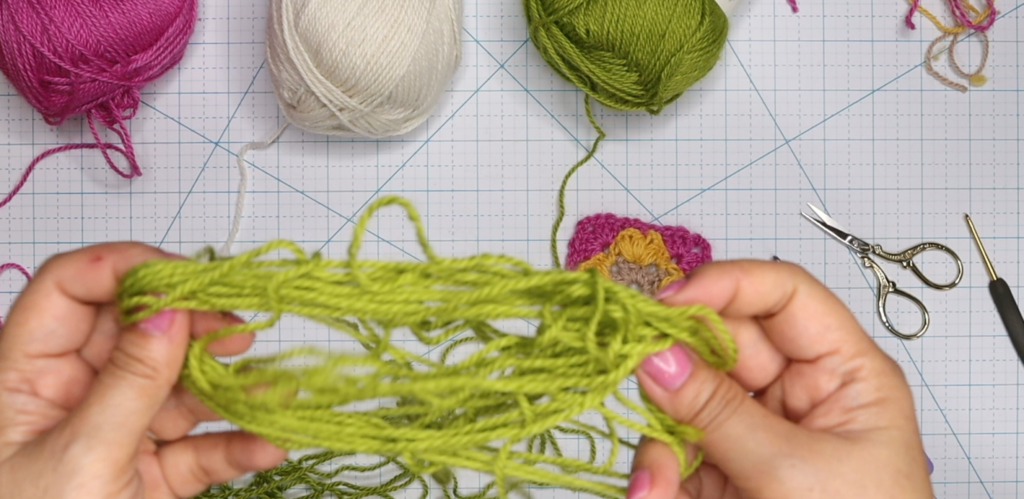
Using yarn directly from the skein or ball can sometimes lead to avoidable issues:
- Tangles and knots — especially when pulling from the centre, where the yarn can collapse in on itself
- Uneven tension — the yarn may pull inconsistently as the shape of the skein changes
- Interruptions while working — stopping to untangle yarn breaks your rhythm and focus
These small frustrations add up over time, particularly in larger projects like shawls, blankets, or garments.
Benefits of rewinding your yarn
- Smoother yarn flow — consistent tension as you stitch
- Reduced tangling — fewer knots and interruptions
- Better yarn inspection — you can spot weak points, joins, or inconsistencies
- Cleaner storage — neatly wound yarn is easier to handle and store
It is a small investment of time that pays off throughout your entire project.
Different ways to rewind your yarn
By hand
You can simply wind the yarn into a ball using your hands. This is the most accessible method and works well for small amounts of yarn.
Using a yarn winder
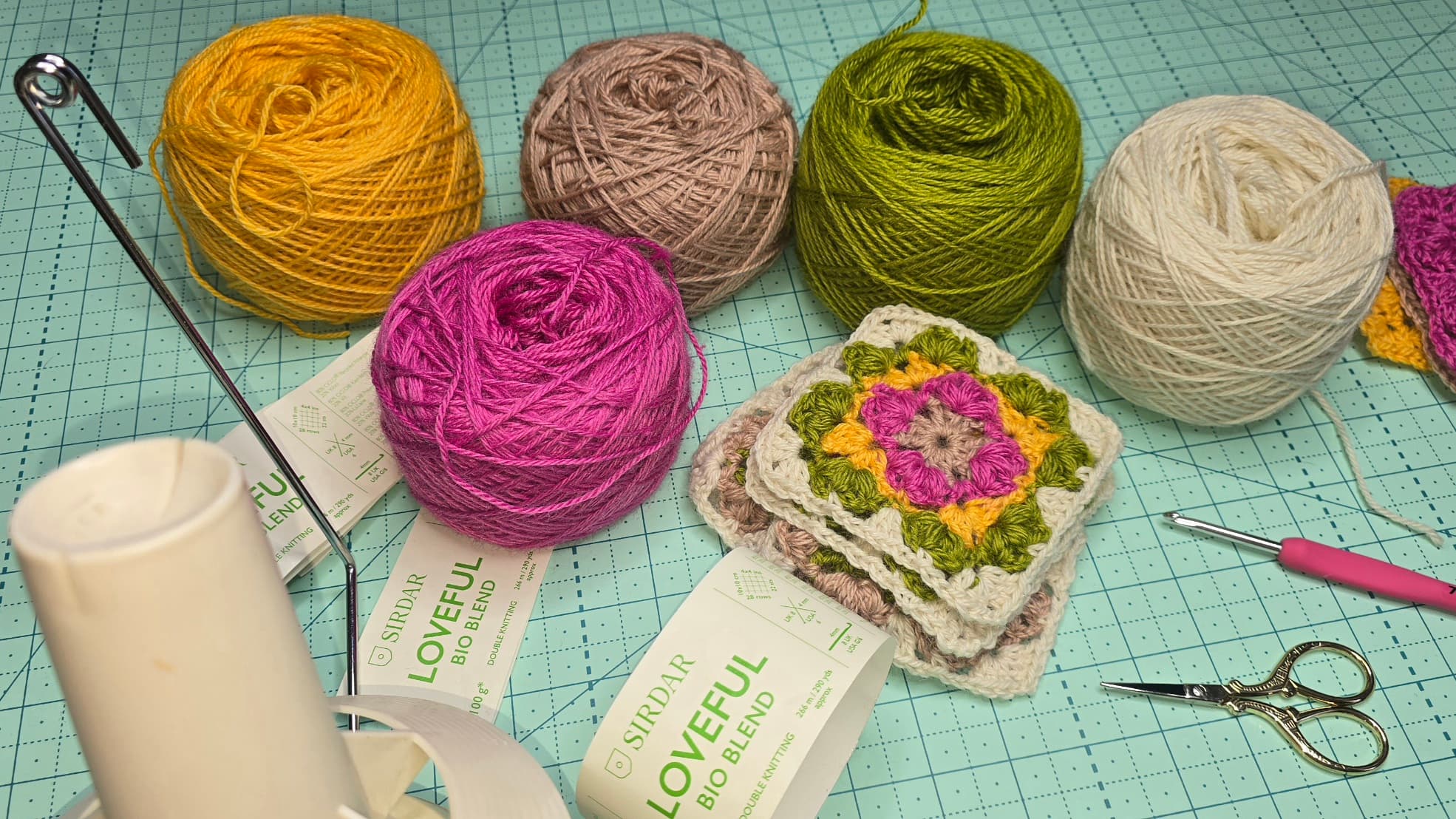
A yarn winder creates a neat cake shape that sits flat and pulls smoothly from the centre. This is ideal for regular makers or when working with multiple skeins.
Using a swift and winder together
If your yarn comes in a twisted hank, a yarn swift holds it open while you wind it into a cake. This prevents tangling and keeps the yarn under gentle tension as you wind.
How to rewind your yarn step by step
- Locate the yarn end (outer or centre, depending on your preference)
- Keep the yarn relaxed — avoid pulling too tightly while winding
- Wind evenly, turning your ball or winder at a steady pace
- Pause occasionally to check for knots or snags
- Finish with a secure but loose end to avoid tightening the yarn
When rewinding is especially important
- When working with delicate fibres like wool or alpaca
- When using large skeins for shawls or blankets
- When preparing yarn for travel or project bags
- When you want consistent tension in detailed stitch patterns
A quiet start to your project
Rewinding your yarn is not just about preventing problems. It is a simple, intentional beginning.
In that moment, before the first stitch is made, you are preparing your materials, setting your pace, and creating the conditions for something beautiful to take shape.
And sometimes, that small act of preparation is what allows the rest of the process to flow with ease.
© Crafting with Beth.
This pattern describes a common crochet technique. While crochet stitches and methods are not copyrightable, the written instructions, photographs, and explanations on this page are original and protected by copyright.
Made with care and shared with love. You may sell finished items made from this pattern, but please do not copy, reproduce, or redistribute the written instructions. Please credit Crafting with Beth when sharing your work.