
Why is a crochet blanket called an Afghan? The story behind the name
Why do crocheters call some blankets “Afghans”? Explore the story behind the name, its link to Afghan textiles, and whether crochet Afghan blankets truly came from Afghanistan.
This post may contain ads and affiliate links, which help support Crafting with Beth at no extra cost to you. I only recommend tools and materials I genuinely use or believe will be helpful for your crafting. For more information, please see our Privacy Policy, Cookie Policy, and Affiliate Disclosure. Thank you.
Why is a crochet blanket called an Afghan?
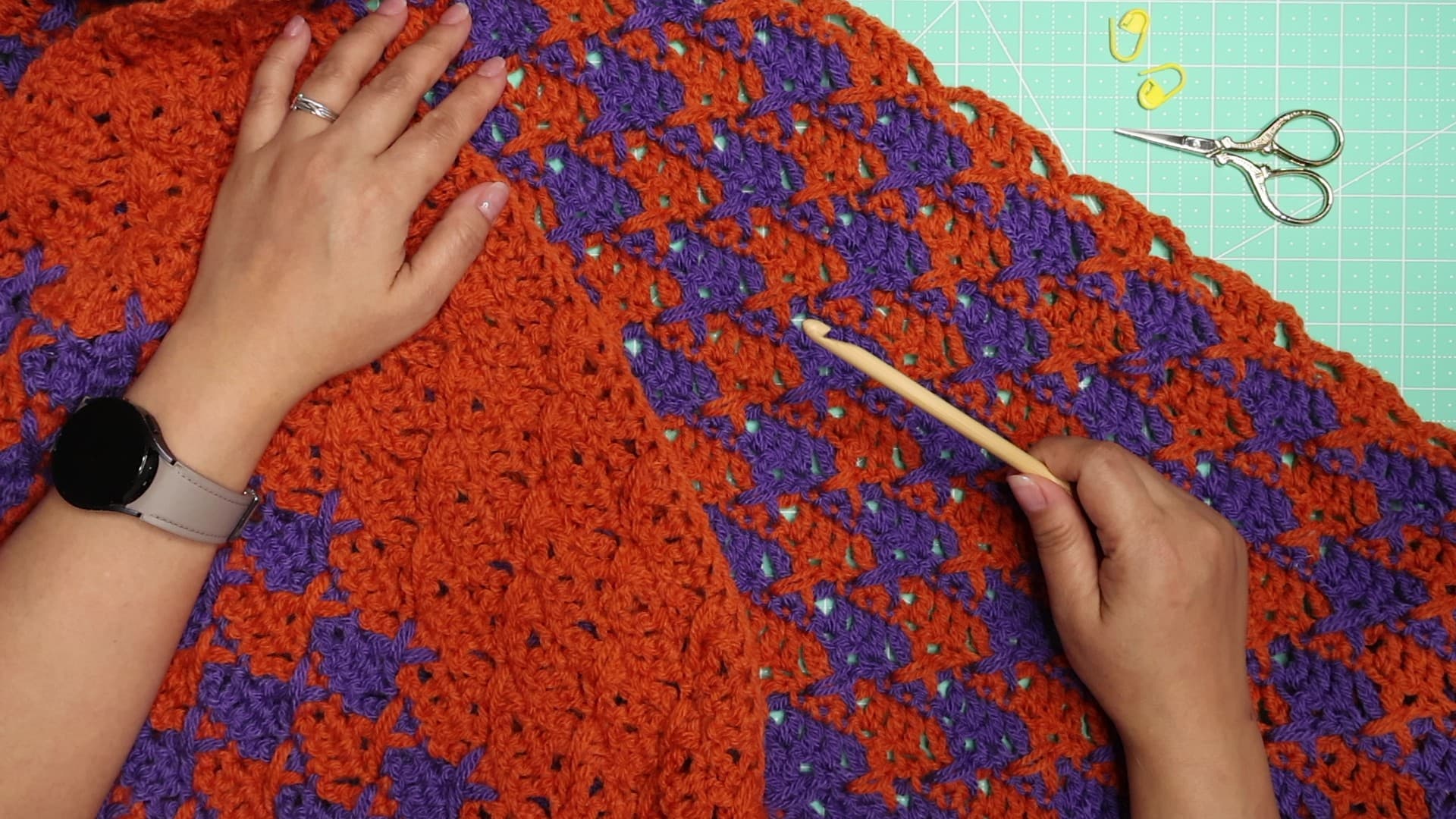
If you have been crocheting for a while, you may have heard people call a handmade blanket an afghan. It is a word often used for crocheted or knitted throws, especially the kind we drape over a sofa, fold at the end of a bed, or make as a comforting handmade gift.
But the name can feel a little curious. Why is a crochet blanket called an Afghan? And does it mean the blanket actually came from Afghanistan?
What is an Afghan blanket?
In modern crochet and knitting, an afghan usually means a handmade blanket or throw. It may be made in rows, strips, motifs, granny squares, ripple stitches, or many other stitch patterns.
Today, many people use the words afghan, blanket, and throw almost interchangeably. However, the word afghan often carries a slightly more handmade feeling. It suggests something crafted slowly, stitch by stitch, with warmth and care.
Did Afghan blankets really come from Afghanistan?
The answer is: not exactly, at least not in the way many crocheters might imagine.
Afghanistan has a rich and beautiful textile history, especially in woven rugs, woollen fabrics, geometric designs, embroidery, and traditional handcraft. So there is a real cultural connection between the word Afghan and textiles.
However, the modern crochet afghan blanket — the type many of us know as a colourful sofa throw or granny square blanket — is mostly part of Western crochet and knitting tradition. It is not usually considered a specific traditional crochet blanket from Afghanistan itself.
So where did the name come from?
The word Afghan originally refers to people from Afghanistan. In textile history, the term also became associated with Afghan shawls, woven goods, and richly patterned fabrics. Over time, English speakers began using afghan as a name for certain handmade blankets and throws.
It is likely that the name was inspired by the reputation of Afghan textiles — warm, patterned, colourful, and often made with wool. As the word travelled, its meaning shifted. In crochet and knitting communities, afghan eventually came to mean a handmade blanket rather than a blanket necessarily made in Afghanistan.
Is crochet itself from Afghanistan?
Crochet, as we know it today, became widely recognised in Europe during the 19th century. It developed from earlier forms of hooked and looped thread work, but the written patterns and familiar crochet techniques we use now became popular much later than weaving or knitting.
That means the name Afghan blanket is more about language, textile influence, and historical association than a direct origin story for crochet itself.
A name that travelled with craft
Craft words often travel in interesting ways. Sometimes they begin in one culture, pass through trade, fashion, or storytelling, and slowly take on a new meaning somewhere else.
The Afghan blanket is a lovely example of this. The name points toward the textile beauty of Afghanistan, but the crochet afghan many of us make today belongs to a wider handmade tradition shared by crocheters and knitters across the world.
So, is there really a crochet Afghan blanket in Afghanistan?
There may certainly be people in Afghanistan who crochet blankets today, just as people crochet in many parts of the world. But the familiar crochet afghan blanket known in Western pattern books is not necessarily a traditional Afghan object.
Instead, it is a handmade blanket with a name that seems to have been shaped by history, textiles, and the way language changes over time.
So the next time you hear the word afghan, you can think of it as more than just a blanket. It is a small piece of craft language — one that carries warmth, history, and a little mystery in every stitch.
© Crafting with Beth.
This pattern describes a common crochet technique. While crochet stitches and methods are not copyrightable, the written instructions, photographs, and explanations on this page are original and protected by copyright.
Made with care and shared with love. You may sell finished items made from this pattern, but please do not copy, reproduce, or redistribute the written instructions. Please credit Crafting with Beth when sharing your work.
